Body Scan Meditation: A Tool For Recovery
Body scan meditation is a way of giving attention to the body. Meditation is healing and has a calming effect on the mind. The mind can wander in meditation, and there is nothing wrong with that. However, this practice allows someone to instill calmness and regain control. This is a great way to do a self-check-in. Meditation has been a long practice and has been a remedy for inner instability. The length of time for the practice is not what many should focus on, but the effectiveness of the session.
Body scan meditation is a mindfulness activity like any other meditation. This is very much known to be practiced with yoga nidra, which translates to “yogic sleep”. More importantly, incorporating these practices allows someone to feel rejuvenated.
Positions in Body Scan Meditation
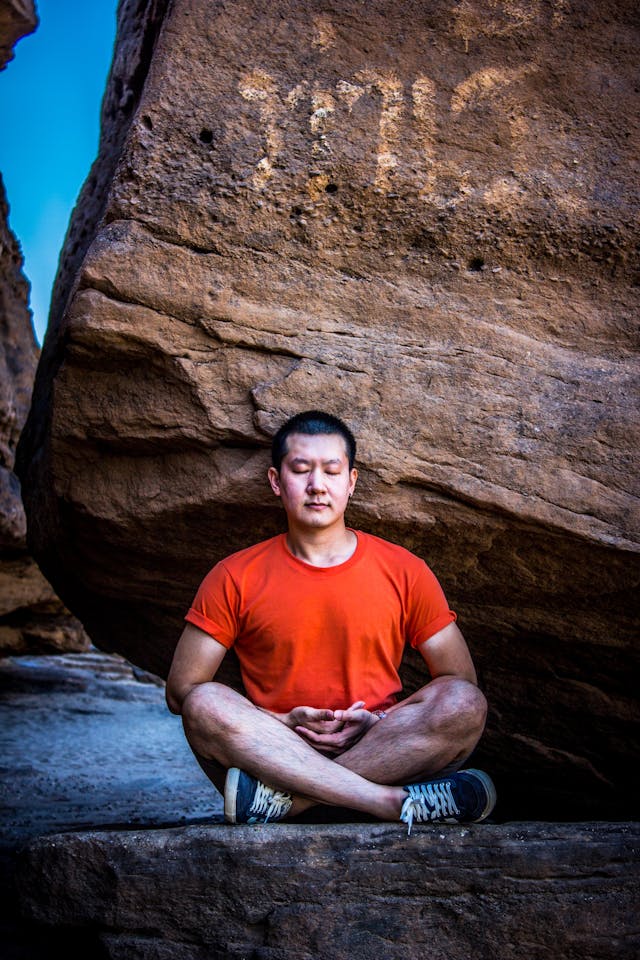
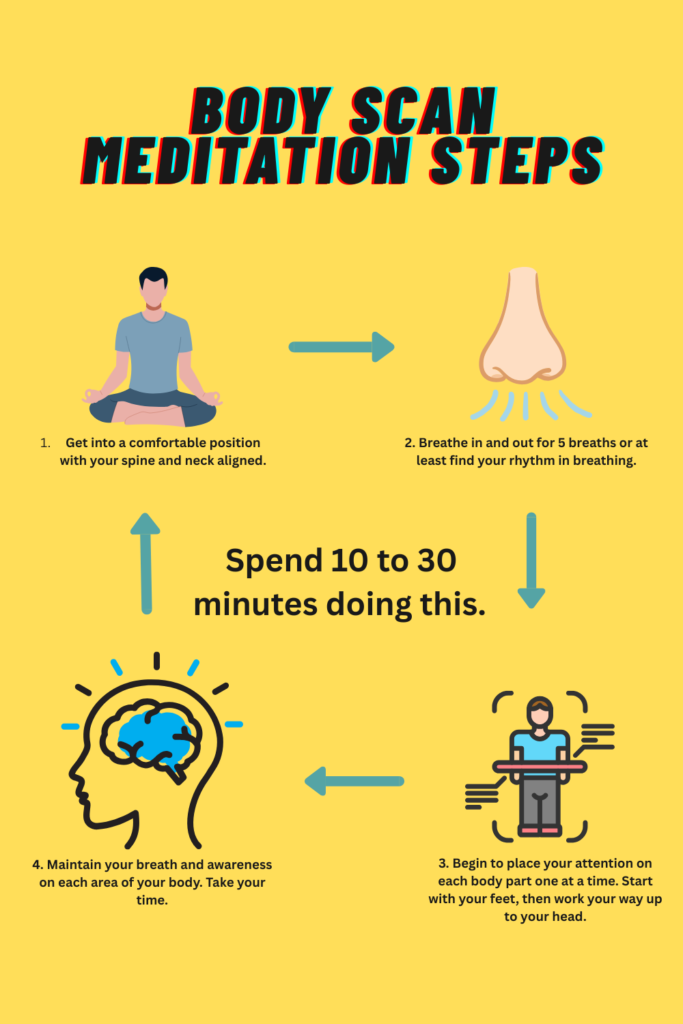
There are no set positions, but ideally, sitting down in a cross-legged position with the spine erect (sitting on a cushion may help with this). Or lying down on a yoga mat. Being comfortable and having a neutral/erect spine is important. The neck and spine have to be aligned properly in order for this to work. This is crucial for nervous system function, proper breathing, and enhanced alertness.
Body Scan Meditation Procedure
When in position, the practitioner is just breathing, getting acclimated with the flow of the process. As always, it takes time to put this into effect. When it comes to this, the person is placing their attention on the breath. They later put their attention to each body part one at a time. Intentionally, the idea is to relax each body part one at a time after a few breaths, then you transition to the next body part. You do this until you cover each body part. Particularly, you are aware of all times, but you are not fully asleep.
What Are the Benefits of This?
There are many benefits to body scan meditation. It helps us regain control and improve our attention. We are often in a reactive state (reacting impulsively to events). Where if something occurs, we may react and feel overwhelmed, resulting in losing control of ourselves. This process can alleviate many issues.
Here are some benefits:
- Dopamine Production
- Feeling Rested
- Reduces stress
- Enhanced brain function
- Better memory
- Emotional regulation
- Improves sleep
The Length of Each Session
As previously mentioned, the effectiveness of the practice matters more than the time put in. Typically, a person can spend up to 30 minutes or less doing this. But it varies from person to person, a sweet spot would be between 10 to 20 minutes, providing enough time to check in with yourself.
An audio guide is optional for use if you would like to have some guidance during the process.
If you want to learn about a practice on improving your focus,s check on this post: Why Regular Eye Closure Can Boost Productivity and Focus
What Happens Within
During this process, specific biological functions are at work. Firstly, the parasympathetic nervous system, which is responsible for the rest and digest function, begins to help relax the body. This helps by reducing stress by bringing down cortisol levels.
Following this, the heart rate slows down and the blood pressure is reduced. Generally, this supports cardiovascular health which helps the flow of blood and oxygen throughout the body (This is crucial).
There are brain waves that also come into play, like alpha and theta waves. This is prominent for all things being relaxed, alert, emotional processing, creativity, and memory. These waves occur during your resting period and are imperative for better brain processing.
While in a meditative state, the brain is restructuring itself. Neuroplasticity takes effect, and the brain is making adjustments (Rewiring). Rest is beneficial at this stage because the brain has the opportunity to become sharper and more concentrated.
The restorative process is enacted when the brain is feeling safe. This is when the healing process is uninterrupted and the body is recovering. There is a lot that goes on behind the scenes, but in the most part resting or incorporating rest periods supports bodily optimization.
Conclusion
Overall, body scan meditation is an effective approach to incorporate rest. There are many benefits to using this method when needing to recover, even if half of your day is finished. This helps with regaining control, being calm, alert, and feeling well-rested. While it helps immensely mentally, it is also valuable for physical health. Rest is one of the greatest tools for human performance as it is an essential function for the restoration process.
If you found this post helpful, please consider sharing and subscribing 😀
Sources:
- Effectiveness of a short Yoga Nidra meditation on stress, sleep, and well-being in a large and diverse sample
- Improvement of Interoceptive Processes after an 8-Week Body Scan Intervention
- Improved sleep, cognitive processing and enhanced learning and memory task accuracy with Yoga nidra practice in novices
- Deep Rest: An Integrative Model of How Contemplative Practices Combat Stress and Enhance the Body’s Restorative Capacity