Prolonged Sitting Makes You Tired
People would like to have energy and be alert throughout the day. There is not much time in a day as all living things have 24 hours in a day. For those who are not active, who work at a desk, or does some form of office work. There is a tendency to sit down for long periods. There are moments when a person could experience pain in their back, tightened hips, or even fatigue. Sitting impacts posture and it is a surefire way to feel sluggish. When posture is compromised, the communication between the brain and body weakens. This in turn shows there is a bidirectional element between the two entities.
Sitting down or lying down on the bed signals the brain that it is time to relax. This is not to antagonize sitting down or lying down in bed since these positions will allow a person to rest however if needing to be alert a person should periodically get up and perform some exercise informing the body to stay alert.
Health Risks Involved
Generally, prolonged sitting has its disadvantages when it comes to health. People could be at risk of diseases such as diabetes, heart disease, or some sort of cognitive illness. It is highly encouraged to be active if the opportunity arises. Sitting or even not moving for long periods the body begins to tighten up. There would also be a reduction in blood flow throughout the body and blood flow is essential.
As the production of blood flow begins to slow down so does the body which in turn leads to dysfunction of certain processes. Processes such as metabolism, vascular function, and other physiological mechanisms. Over time if sitting for long periods daily it can result in feeling dull and weight gain. In other words, being less mentally sharp and unfit.
What Techniques Could Be Used To Prevent This?
It may take some consciousnesses or a person could set a timer to get up from the chair. A person can stretch or perform some light exercises to get themselves moving. For every 30 to 60 minutes a person should stand up and walk or do some movement. This method is called interruptions of sitting. This will continue to keep the person alert and not feel fatigued. Having better blood circulation to the brain activates brain-derived neurotrophic factor which is healthy for the brain to function well.
If working at a desk, a standing desk can be incorporated into the office or home office. Positioning a standing desk and using it periodically can promote good posture.
If you want to learn about stretching other parts of the body for posture check out this post: Posture and Neck Are Important Paths to the Brain.
Trunk Muscles
The trunk is located in the torso the center part of the body. The purpose of the trunk is to maintain posture, stability, and movement. What muscles make up for the trunk are the abdominal muscles, chest, back, and pelvic flow muscles. In other words, the core muscles that help provide proper and safe movement. Trunk muscles are involved in just about everything a person does which also includes sitting. A strong and engaged core supports spine stability.
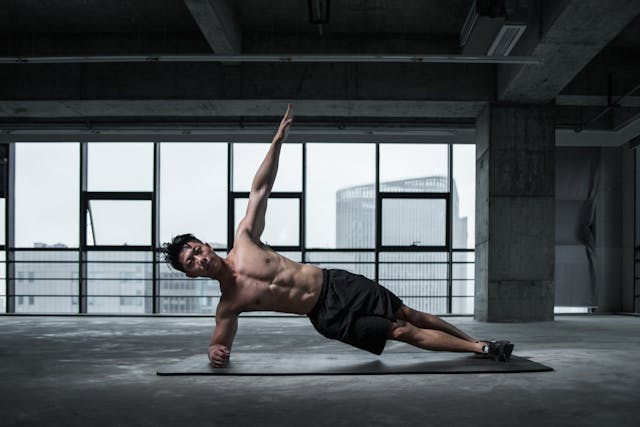
Build a Strong Core
This is quite optional to do however doing so will improve the purpose of the trunk. From adding stability, protection, and doing functional activities daily. Here are some moves that could be incorporated:
- Back Bridging: This is more of a stretch but It places some work on the core, posterior chain, and some on the anterior chain.
- Hold it for 10 to 20 seconds. If not able to perform this, do glute bridges or other progressions.
- Hollow Body: An amazing core exercise that works the mid-core.
- Hold up to a minute or as long as possible.
- Bird Dog: A low-intense core exercise but it can help strengthen the lower pain or prevent it from getting pain.
- L-sit Hold: A static hold that places a grand stimulus on not only the core but also the upper and lower body.
- Hold for 10 seconds to 30 seconds.
- Side Plank with leg lift: A dynamic movement targeting the obliques. A challenge to keep the body stable. All the more reasons to build a strong core.
- Up to 15 reps on each side.
The Glutes Also Contribute to Posture
The glutes support other parts of the body. Prolonged sitting or sitting often can lead to inactivity of the gluteus maximus muscles. This is called gluteal amnesia or in other words “dead butt syndrome”. What happens is that the glutes begin to lose strength and the muscle fibers shrink.
The glutes contribute by providing stability to the knee, lumbar spine, hips, and pelvis. Weak or unbalanced glute muscles can contribute to discomfort and fatigue, as they are crucial in supporting and stabilizing multiple muscle groups and joints.
Exercises For Glute Strengthening
Training the glutes or any other muscles is just as important. Here are some exercises to incorporate:
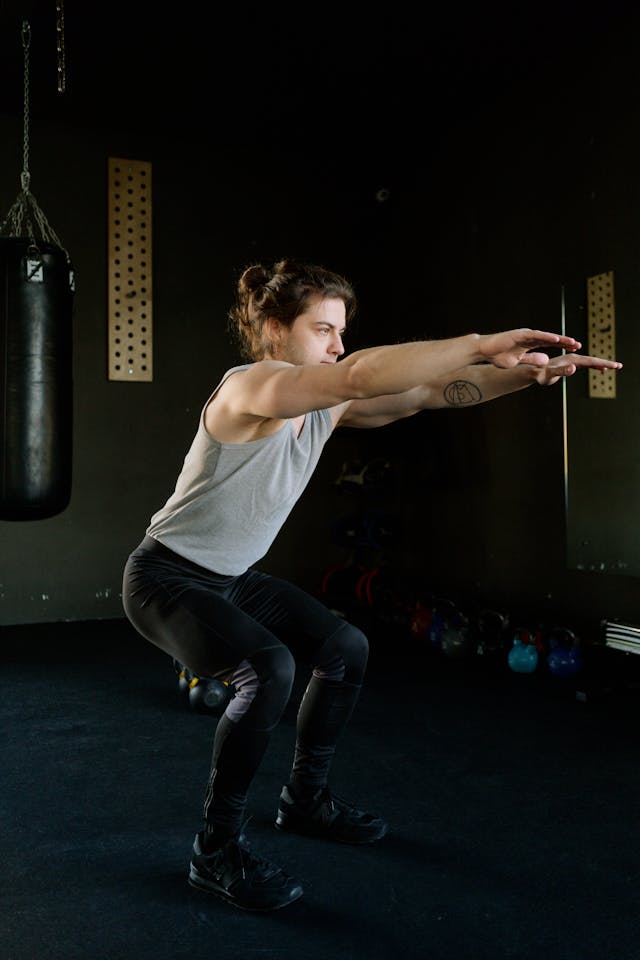
- Squats: It could be a back squat, air squat, or front squat. As long proper practices are in place of performing them.
- Glute Bridge: This is the foundational exercise for the back bridge. But each time the hips are being raised the individual engages their glutes.
- Bulgarian Split Squats: One-legged exercise that does wonders for the lower body.
- Hip Thrust: Strengthen the glutes and contribute to athletic performance.
- Single-Leg Romanian Deadlift: Targets the hamstring and glutes. Improves hip mobility and engages the core.
All of this can be done at home or the gym if wanting to get weights involved.
Conclusion
All in all prolonged sitting has many drawbacks to the body. It is imperative to continue being active daily. Low-impact movements are acceptable since it is considered to be active. Certain exercises that involve the trunk and lower body are highly encouraged to be executed since they provide stability and injury prevention. It is recommended to get up from the chair every 30 to 60 minutes to move or stretch. Being inactive can result in having health issues and potential brain diseases. Over time a person will be less mentally sharp and physically unfit due to being inactive. Improving blood circulation is a clear sign of health, as it ensures oxygen and nutrients travel effectively throughout the body.
Sources
- Does breaking up prolonged sitting improve cognitive functions in sedentary adults? A mapping review and hypothesis formulation on the potential physiological mechanisms
- The physiological benefits of sitting less and moving more: opportunities for future research
- Dead Butt Syndrome: Side effect of sitting too long
- ASSESSING AND TREATING GLUTEUS MAXIMUS WEAKNESS – A CLINICAL COMMENTARY